The Lumbar and Armrest Checklist for White Desk Chairs
A regular buyer checklist for back support, elbows, shoulders, and common adjustment mistakes.
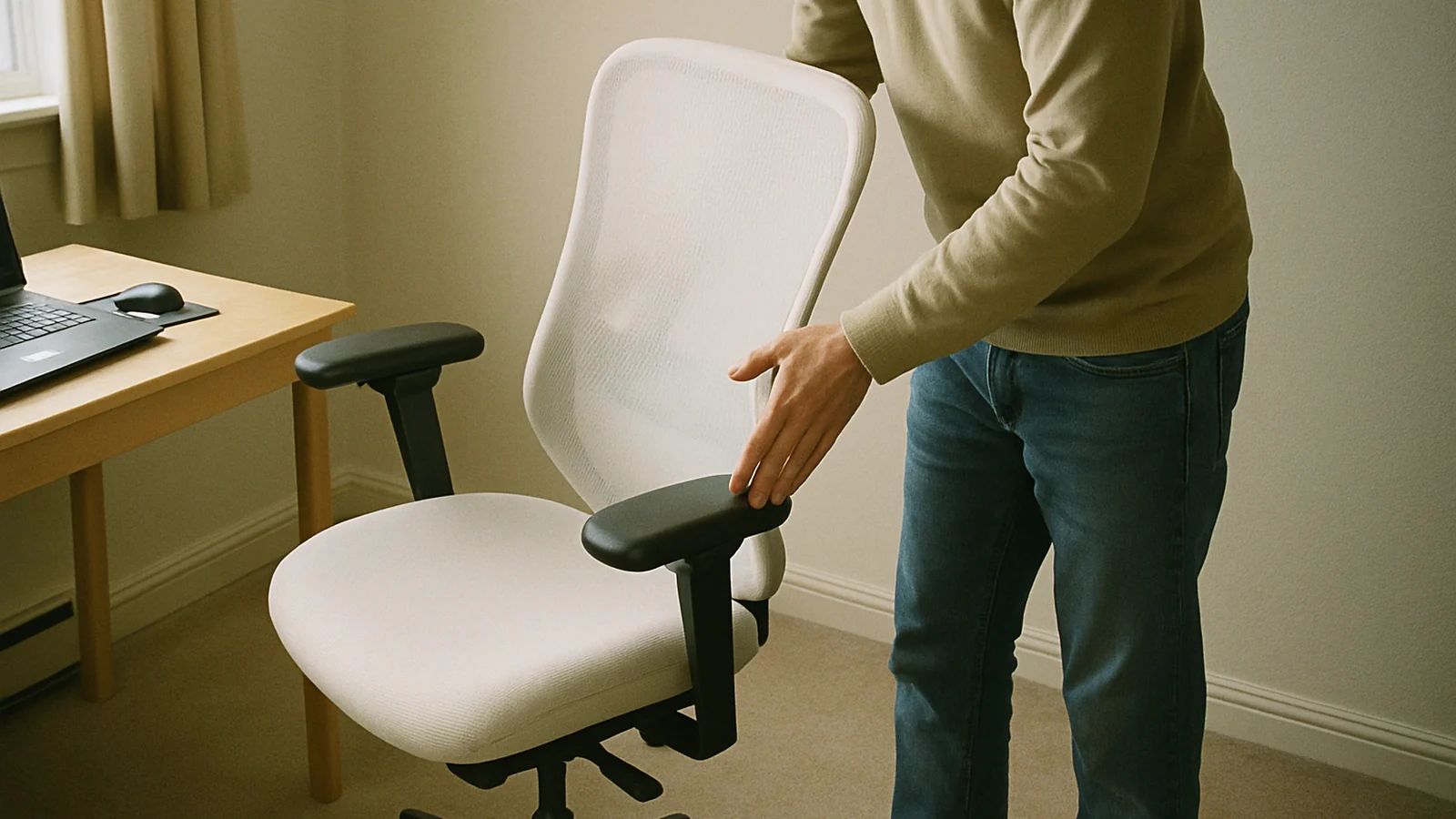
Start with the room you actually use
A chair decision gets easier when it is moved out of the showroom in your head and into the ordinary room where it will live. The desk may be narrow, the floor may be uneven, and the workday may include calls, lunch, and quick stretches rather than perfect posture.
That is why this guide stays practical. It looks at the small choices people notice after the box is gone: whether the chair fits under the desk, whether the material feels warm by afternoon, whether the wheels behave, and whether the adjustments are simple enough to use.
Use manufacturer guidance as the final word for assembly, weight limits, cleaning, and adjustment. These notes are editorial decision support, not medical or safety certification.
1. Check the body fit before the style
A chair decision gets easier when it is moved out of the showroom in your head and into the ordinary room where it will live. The desk may be narrow, the floor may be uneven, and the workday may include calls, lunch, and quick stretches rather than perfect posture.
That is why this guide stays practical. It looks at the small choices people notice after the box is gone: whether the chair fits under the desk, whether the material feels warm by afternoon, whether the wheels behave, and whether the adjustments are simple enough to use.
Use manufacturer guidance as the final word for assembly, weight limits, cleaning, and adjustment. These notes are editorial decision support, not medical or safety certification.
- Sit height should let the feet settle.
- The back should support without pushing.
- The seat edge should not bite behind the knees.
- Armrests should relax the shoulders.
2. Notice the material and cleaning habit
A chair decision gets easier when it is moved out of the showroom in your head and into the ordinary room where it will live. The desk may be narrow, the floor may be uneven, and the workday may include calls, lunch, and quick stretches rather than perfect posture.
That is why this guide stays practical. It looks at the small choices people notice after the box is gone: whether the chair fits under the desk, whether the material feels warm by afternoon, whether the wheels behave, and whether the adjustments are simple enough to use.
Use manufacturer guidance as the final word for assembly, weight limits, cleaning, and adjustment. These notes are editorial decision support, not medical or safety certification.
3. Match wheels, arms, and desk clearance
A chair decision gets easier when it is moved out of the showroom in your head and into the ordinary room where it will live. The desk may be narrow, the floor may be uneven, and the workday may include calls, lunch, and quick stretches rather than perfect posture.
That is why this guide stays practical. It looks at the small choices people notice after the box is gone: whether the chair fits under the desk, whether the material feels warm by afternoon, whether the wheels behave, and whether the adjustments are simple enough to use.
Use manufacturer guidance as the final word for assembly, weight limits, cleaning, and adjustment. These notes are editorial decision support, not medical or safety certification.
Mistakes that make a good chair disappointing
A chair decision gets easier when it is moved out of the showroom in your head and into the ordinary room where it will live. The desk may be narrow, the floor may be uneven, and the workday may include calls, lunch, and quick stretches rather than perfect posture.
That is why this guide stays practical. It looks at the small choices people notice after the box is gone: whether the chair fits under the desk, whether the material feels warm by afternoon, whether the wheels behave, and whether the adjustments are simple enough to use.
Use manufacturer guidance as the final word for assembly, weight limits, cleaning, and adjustment. These notes are editorial decision support, not medical or safety certification.
Quick checklist
- Measure before buying.
- Read care guidance for white finishes.
- Check return and assembly expectations.
- Think about floor protection.
- Adjust the chair before judging comfort.
A calm final check before buying
A chair decision gets easier when it is moved out of the showroom in your head and into the ordinary room where it will live. The desk may be narrow, the floor may be uneven, and the workday may include calls, lunch, and quick stretches rather than perfect posture.
That is why this guide stays practical. It looks at the small choices people notice after the box is gone: whether the chair fits under the desk, whether the material feels warm by afternoon, whether the wheels behave, and whether the adjustments are simple enough to use.
Use manufacturer guidance as the final word for assembly, weight limits, cleaning, and adjustment. These notes are editorial decision support, not medical or safety certification.
Extra practical notes before the chair becomes part of the room
One useful way to slow the decision down is to imagine the second week, not the delivery day. By then the box is gone, the chair is under the desk, and the real questions are simple: do you adjust it without thinking, does it still look clean in normal light, and can you move around the room without bumping the arms into drawers or shelves?
For a white ergonomic office chair, the everyday context matters because pale finishes make both good and bad habits visible. Dust on the base, scuffs near the casters, and small marks on the seat are easier to notice. That is not a reason to avoid white; it is a reason to choose a finish and shape that match the life of the room.
If the chair will be used by more than one person, keep the adjustment routine obvious. A chair with many controls can be excellent, but only if people understand which lever changes height, which dial changes tilt, and how to return the back support to a neutral position. A small note during setup can prevent weeks of awkward sitting.
Also think about the edges of the workday. Many people judge a chair while sitting upright for a minute, then use it while leaning toward a laptop, turning to a printer, or taking calls with one foot tucked under the seat. A practical chair should make better posture easier without requiring perfect behavior all day.
FAQ
What matters most in a white ergonomic office chair?
Fit matters more than color: seat height, lumbar support, armrest position, stable wheels, and breathable material decide whether the chair works in daily use.
Are white office chairs hard to keep clean?
They need a little more attention than dark chairs, but smooth routines help: quick dusting, gentle wipe-downs, and watching for denim transfer or scuffs.
Should I choose mesh or padded upholstery?
Mesh can feel cooler and lighter, while padded upholstery can feel softer. The better choice depends on room temperature, cleaning habits, and how long you sit.
Can a white chair work in a small home office?
Yes, especially when the frame is visually light and the wheels match the floor. Measure pull-out room and desk clearance before buying.
How do I avoid shoulder strain?
Set the armrests so elbows rest naturally without lifting the shoulders, then adjust desk and monitor position around that neutral posture.
Is style a bad reason to choose a chair?
No. Style matters when the chair lives in a visible room, but it should support comfort rather than replace basic ergonomic checks.