The white desk chair can look calm and still work hard
A practical, human guide to choosing a white ergonomic office chair that fits your body, room, cleaning habits, and workday rhythm.
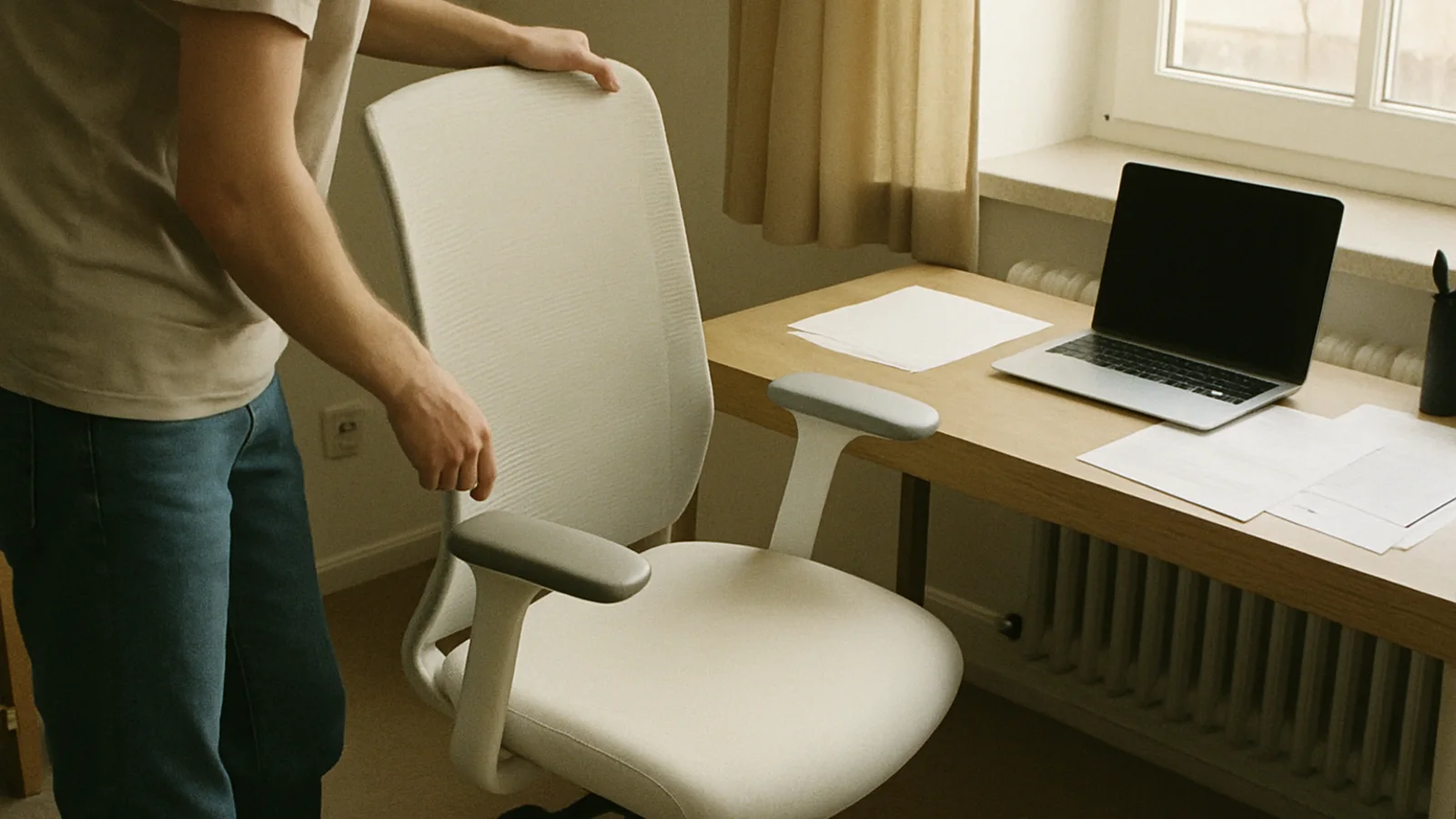
A white office chair has a funny way of making a workspace feel lighter before anyone even sits down. I see the appeal: a pale chair can soften a small bedroom desk, make a shared office corner feel less heavy, and pair neatly with white desks, oak shelves, plants, and clean monitor arms. But the chair still has to do the unglamorous work of holding a person through email, calls, writing, study, and end-of-day tiredness.
That is the balance this guide is built around. If you are comparing styles, start with the chair as a daily tool, then let the white finish support the room. The helpful question is not “Which chair looks best in a photo?” It is “Which chair can I adjust quickly, clean without stress, and sit in without fighting my shoulders or lower back?”
For product shortlists, LeStallion’s review of the best white ergonomic office chair options is a useful place to compare designs after you understand the fit checks below.
Seat height and back support beat looks.
Check desk clearance and rolling path.
White finishes need realistic care.
Adjust before the first long session.
Start with the sitting position, not the product photo
The best-looking chair can still feel wrong if the seat is too high, the edge presses behind the knees, or the armrests force the shoulders upward. Before getting attached to a particular shape, picture the actual desk: feet flat, elbows relaxed, screen close enough, and enough room to roll back without clipping a rug or wall.
Green flags
- Seat height range matches your desk.
- Lumbar area can meet your lower back.
- Armrests adjust or stay out of the way.
- Casters suit the floor surface.
Warning signs
- Only the color is described in detail.
- No clear dimensions are available.
- The seat looks deep for a shorter user.
- Cleaning guidance is vague.
White materials change the maintenance conversation
White mesh, white faux leather, and pale fabric each bring a different kind of upkeep. Mesh can hide less dust than black mesh but usually breathes well. Smooth upholstery wipes quickly, yet may show denim transfer or scuffs sooner. Fabric can feel softer in a home office, but spot cleaning matters more.
A white chair is not automatically high-maintenance; it simply asks you to be honest about coffee, jeans, pets, dusty floors, and how often you actually wipe the desk area.
Match the chair to the room’s visual weight
In small spaces, a white ergonomic chair can be a design advantage because it reflects light and does not visually anchor the room as heavily as a dark executive chair. Still, bulk matters. A thick headrest, wide arms, or heavy base can dominate a corner even in white. A lighter frame may suit bedrooms and apartments better.
| Use case | What to prioritize | What to avoid |
|---|---|---|
| Bedroom desk | Quiet wheels, compact arms, easy cleaning | Oversized backrests that block walkways |
| Full workday office | Adjustable lumbar, breathable material, stable base | Decor-first chairs with limited support |
| Shared family space | Durable finish and quick wipe-down routine | Delicate fabric if spills are common |
A simple decision path before you buy
- Measure the desk height and compare it with the seat-height range.
- Check the seat depth so the front edge does not press behind the knees.
- Look at the armrests and decide whether they help typing posture or block the desk.
- Choose the material based on temperature, pets, cleaning habits, and clothing transfer.
- Confirm wheel type for carpet, hardwood, laminate, or a chair mat.
Once those questions are answered, you can return to LeStallion’s white ergonomic office chair comparison with a clearer sense of what belongs on your shortlist.
Common mistakes that make a good chair feel bad
The most common mistake is leaving the chair at its factory settings. A second mistake is choosing a chair because it matches the desk but ignoring seat depth. A third is forgetting the floor: hard casters on a delicate surface can make a beautiful chair annoying fast. The last mistake is expecting white to stay perfect without a small weekly wipe-down.
Quick fit checklist
- Feet rest flat or on a footrest.
- Lower back meets the lumbar curve without forcing an arch.
- Elbows stay close to the body while typing.
- The chair rolls freely without scraping the floor.
- The white material has a care routine you will actually follow.
Extra practical notes before the chair becomes part of the room
One useful way to slow the decision down is to imagine the second week, not the delivery day. By then the box is gone, the chair is under the desk, and the real questions are simple: do you adjust it without thinking, does it still look clean in normal light, and can you move around the room without bumping the arms into drawers or shelves?
For a white ergonomic office chair, the everyday context matters because pale finishes make both good and bad habits visible. Dust on the base, scuffs near the casters, and small marks on the seat are easier to notice. That is not a reason to avoid white; it is a reason to choose a finish and shape that match the life of the room.
If the chair will be used by more than one person, keep the adjustment routine obvious. A chair with many controls can be excellent, but only if people understand which lever changes height, which dial changes tilt, and how to return the back support to a neutral position. A small note during setup can prevent weeks of awkward sitting.
Also think about the edges of the workday. Many people judge a chair while sitting upright for a minute, then use it while leaning toward a laptop, turning to a printer, or taking calls with one foot tucked under the seat. A practical chair should make better posture easier without requiring perfect behavior all day.
Finally, give yourself permission to choose the chair that fits both the body and the room. A white ergonomic chair is allowed to be attractive; the point is to make sure the attractive choice still has the quiet practical features that matter after several long afternoons.
FAQ
What matters most in a white ergonomic office chair?
Fit matters more than color: seat height, lumbar support, armrest position, stable wheels, and breathable material decide whether the chair works in daily use.
Are white office chairs hard to keep clean?
They need a little more attention than dark chairs, but smooth routines help: quick dusting, gentle wipe-downs, and watching for denim transfer or scuffs.
Should I choose mesh or padded upholstery?
Mesh can feel cooler and lighter, while padded upholstery can feel softer. The better choice depends on room temperature, cleaning habits, and how long you sit.
Can a white chair work in a small home office?
Yes, especially when the frame is visually light and the wheels match the floor. Measure pull-out room and desk clearance before buying.
How do I avoid shoulder strain?
Set the armrests so elbows rest naturally without lifting the shoulders, then adjust desk and monitor position around that neutral posture.
Is style a bad reason to choose a chair?
No. Style matters when the chair lives in a visible room, but it should support comfort rather than replace basic ergonomic checks.